
How to Create a Wedding Day Timeline (Las Vegas Example Included)
Learn how to create a wedding day timeline step-by-step, including a real example. Perfect for couples planning a smooth and stress-free wedding in Las Vegas.
3/22/20263 min read
One of the most important parts of planning your wedding is creating a clear, well-structured timeline.
Your wedding day timeline is what keeps everything running smoothly — from getting ready in the morning to your final send-off at the end of the night.
Without a well-planned timeline, even the most beautiful weddings can feel rushed, disorganized, or stressful.
If you’re planning a wedding in Las Vegas, where venues often have strict timeframes and vendor schedules, having a solid timeline is especially important.
Here’s how to create one.
Step 1: Start With Your Ceremony Time
Your ceremony time is the foundation of your entire timeline.
Everything else will be built around it.
Before setting your ceremony time, consider:
Sunset time (especially for outdoor ceremonies)
Guest arrival window
Travel time between locations
Seasonal weather (Las Vegas heat is a big factor)
Once your ceremony time is set, you can begin building your timeline both forward and backward.
Step 2: Build Your Timeline Backwards
Professional planners always build timelines backwards from key moments.
Start with:
Ceremony start time
Then add guest arrival (typically 30 minutes prior)
Then determine when photos, getting ready, and hair/makeup need to begin
Working backwards ensures nothing gets rushed.
Step 3: Account for Getting Ready Time
Hair and makeup often take longer than couples expect.
A general guideline:
Hair & makeup: 30–60 minutes per person
Bride hair & makeup: 60–90 minutes
Buffer time: always add at least 30 minutes
Make sure your timeline includes:
Photographer arrival
Detail photos (dress, shoes, invitations)
Getting ready photos
First look (if doing one)
Step 4: Plan Your Photography Timeline
Photography plays a major role in your schedule.
Work with your photographer to plan:
First look (if applicable)
Wedding party photos
Family photos
Couple portraits
If you skip a first look, many of these photos will happen after the ceremony, which can affect your cocktail hour timing.
Step 5: Map Out Reception Events
After your ceremony, your guests will enjoy cocktail hour while you finish your photos. Like the name suggests, cocktail hour is typically an hour. However, it can be longer or shorter based on your needs. If you complete the majority of your photos prior to the ceremony and you want to do a 30 minute cocktail time so you can get on with the reception, then go for it! Or on the other hand if you may need more photo time or maybe you are moving venues for the reception and will need a two hour break between the ceremony and reception. Be sure to build in your cocktail time as needed for your wedding.
Your reception timeline should include:
Grand entrance
First dance
Dinner service
Toasts
Cake cutting
Parent dances
Open dancing
Spacing these events properly keeps the energy flowing and avoids long gaps.
Step 6: Add Buffer Time (Very Important)
One of the biggest mistakes couples make is creating a timeline with no flexibility.
Add buffer time for:
Transportation delays
Late vendors
Extended hair and makeup
Guests running behind
Even 10–15 extra minutes between major events can make a big difference.
Sample Wedding Day Timeline
Here’s a simple example for a 4:00 PM ceremony:
10:00 AM — Hair and makeup begins
1:00 PM — Getting dressed
1:30 PM — First look & couple photos
2:30 PM — Wedding party photos
3:30 PM — Guests arrive
4:00 PM — Ceremony
4:30 PM — Cocktail hour + family photos
5:30 PM — Guests are asked to find their seats at the reception
5:45 PM — Grand Entrance
6:00 PM — Dinner service
7:00 PM — Toasts & special dances
7:45 PM — Cake Cutting
8:00 PM — Open dancing
10:00 PM — Send-off
Every wedding is different, but this gives you a starting point.
Why Wedding Timelines Matter So Much
Your timeline affects every part of your wedding:
Vendor coordination
Guest experience
Photography quality
Overall flow of the day
A well-structured timeline allows your day to feel calm, organized, and enjoyable.
How a Wedding Coordinator Helps
Creating a timeline is one thing — executing it is another.
At Neon Desert Events, we create detailed timelines for our couples and coordinate directly with vendors to ensure everyone is aligned.
On the wedding day, we manage the timeline, adjust as needed, and handle any issues behind the scenes so you don’t have to.
This allows you to be fully present and enjoy your wedding day.
Final Thoughts
A well-planned wedding timeline is the foundation of a smooth and stress-free celebration.
Taking the time to plan your schedule carefully — and building in flexibility — can make all the difference in how your day feels.
If you’re planning a wedding in Las Vegas and want help creating a timeline and coordinating your vendors, Neon Desert Events offers both day-of coordination and full planning services.
Contact us to learn more about how we can help bring your wedding day together seamlessly.
Photo Credit: Gaby J Photography
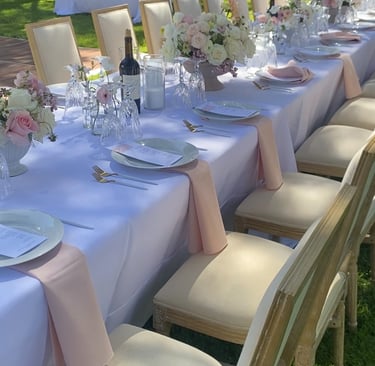
Photo Credit: Gaby J Photography
Contact Us
Contact us today for all your event needs!
hello@neondesertevents.com
(702) 497-8571
© 2025. All rights reserved.